The Calicata process

Código Palanca

The solution depends on what the problem needs.

A way to make decisions together: understand the business, define the scope, build and check the result before taking the next step.

Let’s discuss your starting point

Seven connected decisions

From a starting point to a foundation that can improve.

  1. View phase
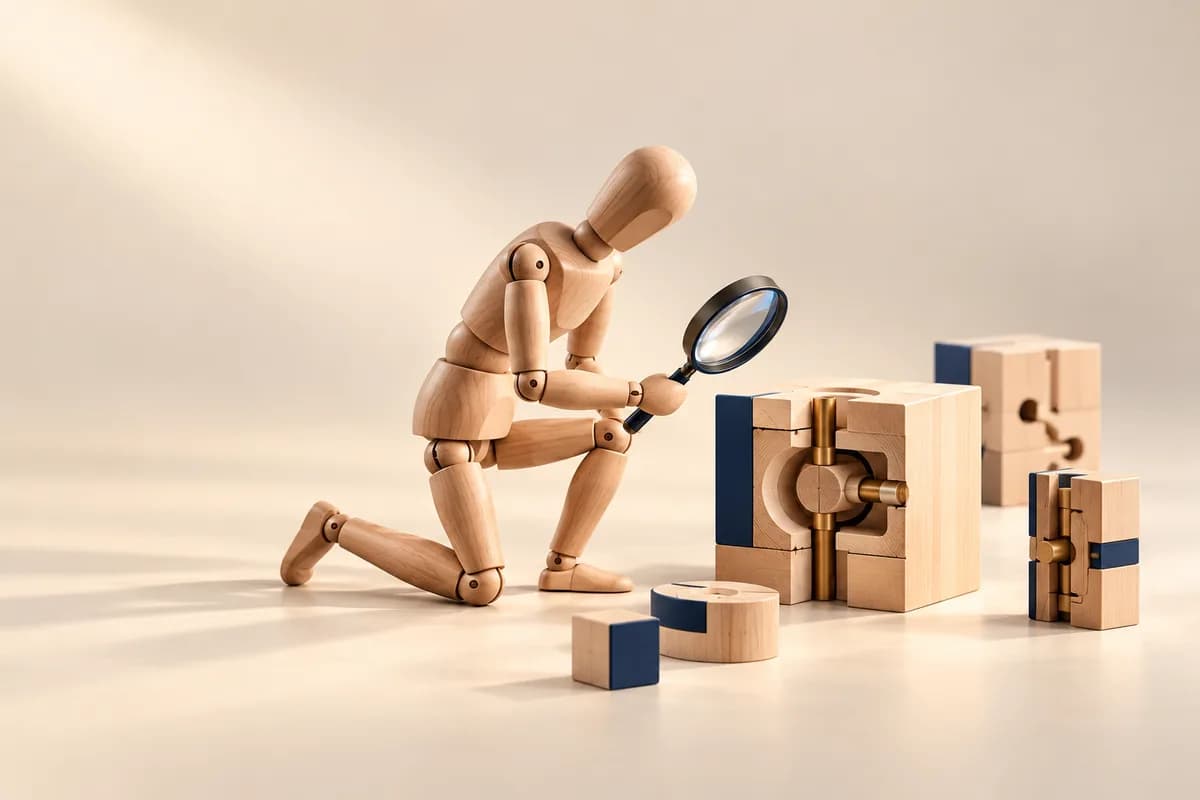
    The Calicata mannequin examines the inside of a wooden mechanism with a magnifying glass.

    Phase 01 · Discovery

    Understand what needs solving before choosing a solution.

    We review the business, the current system, its users, constraints and the problem that deserves attention. This shows what information is missing, what risks exist and where to start.

    Intended outcomeAn informed starting point.
  2. View phase
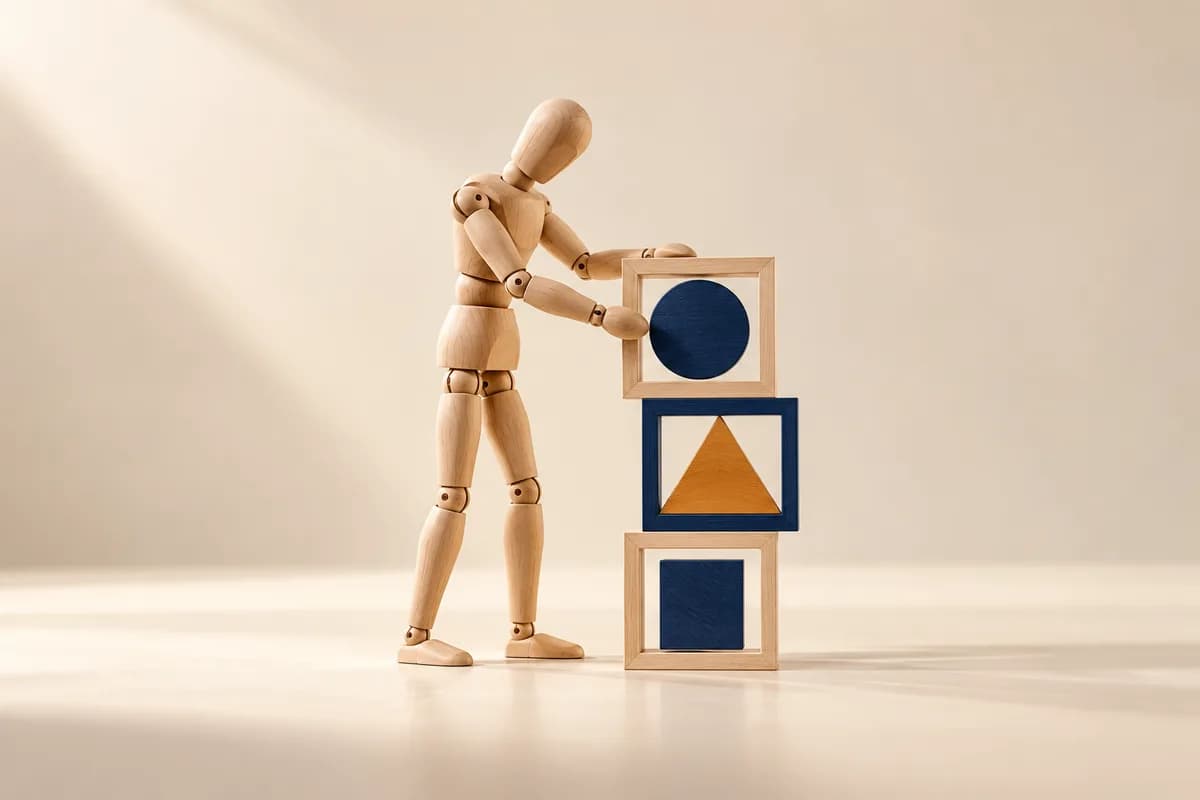
    The mannequin aligns wooden frames and shapes in a shared direction.

    Phase 02 · Positioning

    Define the value the solution needs to create.

    We clarify who the solution should serve, which need it addresses and why its proposition should be preferable to the alternatives. This definition guides both the product and its message.

    Intended outcomeA clear value proposition.
  3. View phase
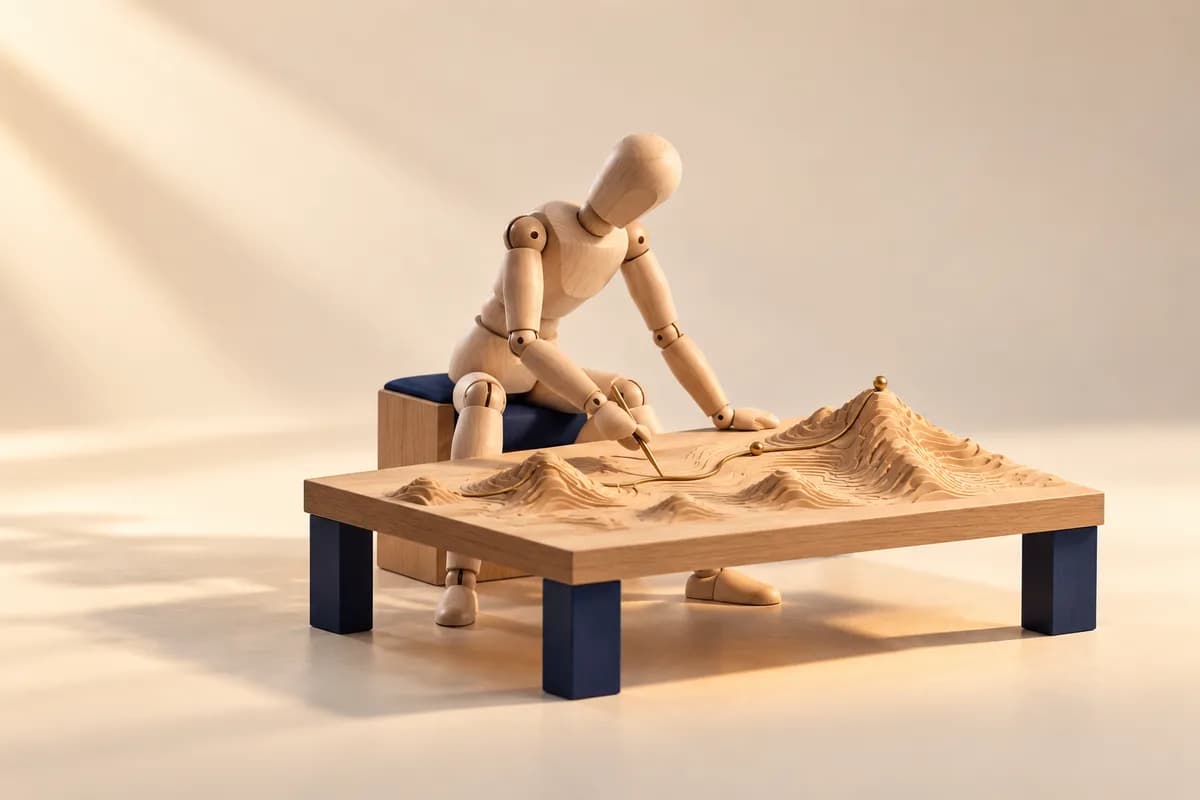
    The mannequin plots a route across a wooden relief.

    Phase 03 · Strategy

    Turn the objective into manageable priorities.

    We organise scope, risks, progress indicators and decisions to establish what to build now, what can wait and how to check the direction. Different problems call for different levels of technical complexity.

    Intended outcomeA sequence with priorities and scope.
  4. View phase
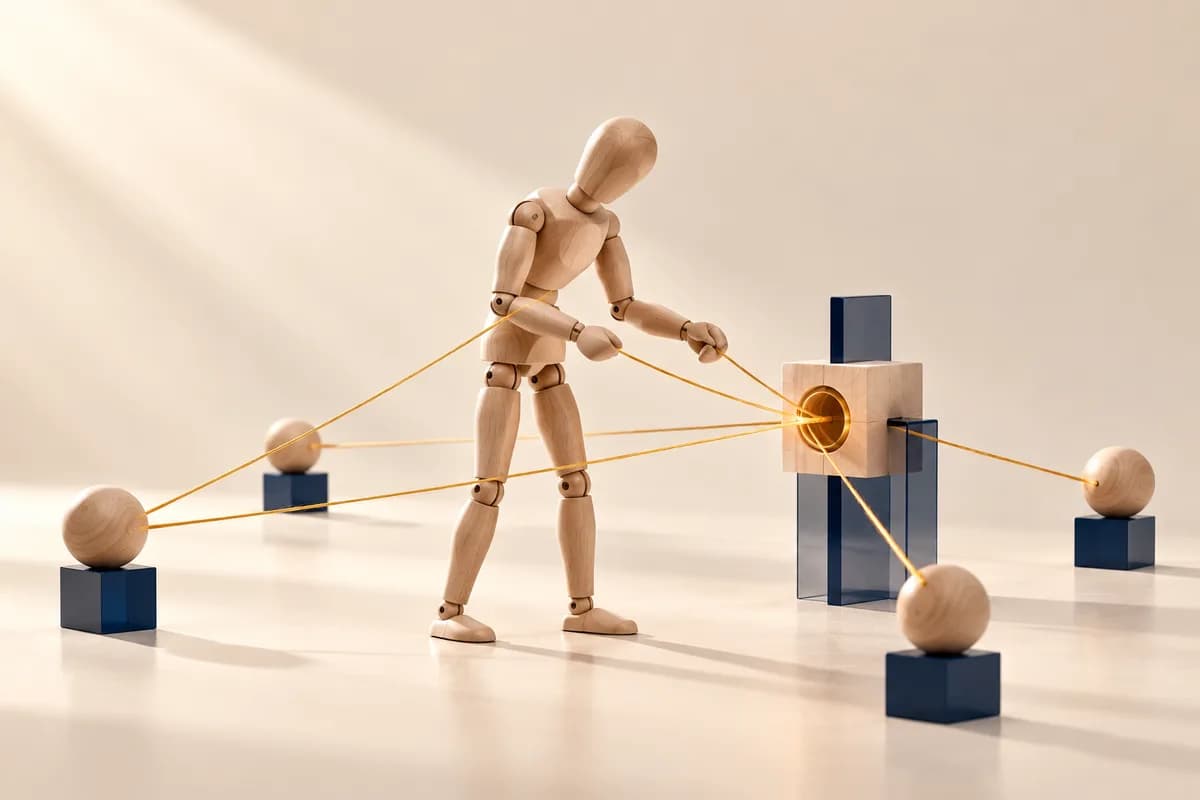
    The mannequin connects several points to a shared entry point with amber threads.

    Phase 04 · Architecture and integrations

    Connect data, infrastructure and integrations with the objective.

    We decide how channels, data, infrastructure and integrations should relate so that a website, automation, internal software or digital product works as a coherent system.

    Intended outcomeA foundation of connections proportionate to the problem.
  5. View phase
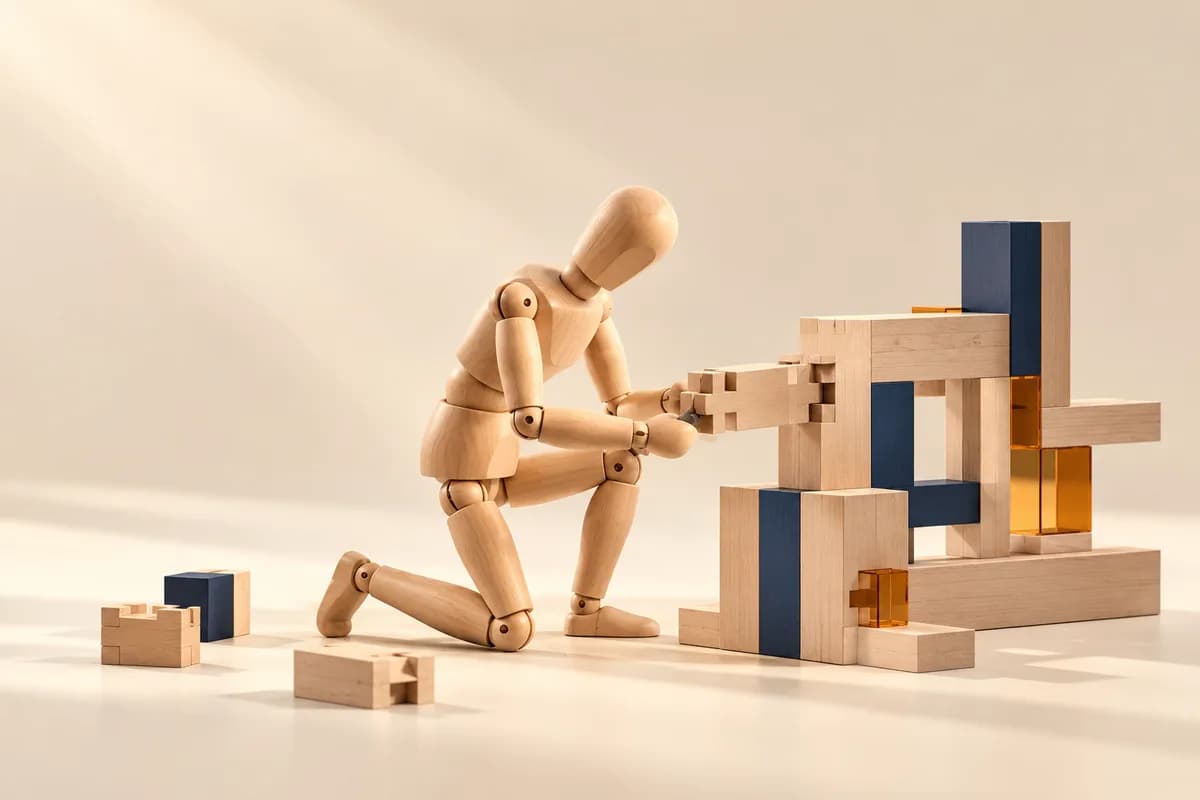
    The mannequin carefully assembles a modular wooden structure.

    Phase 05 · Build

    Design, code and integrate what is needed.

    We build and connect the pieces required by the scope: interface, software, automation or infrastructure. Each technical decision has a clear function within the solution.

    Intended outcomeA solution suited to the problem.
  6. View phase
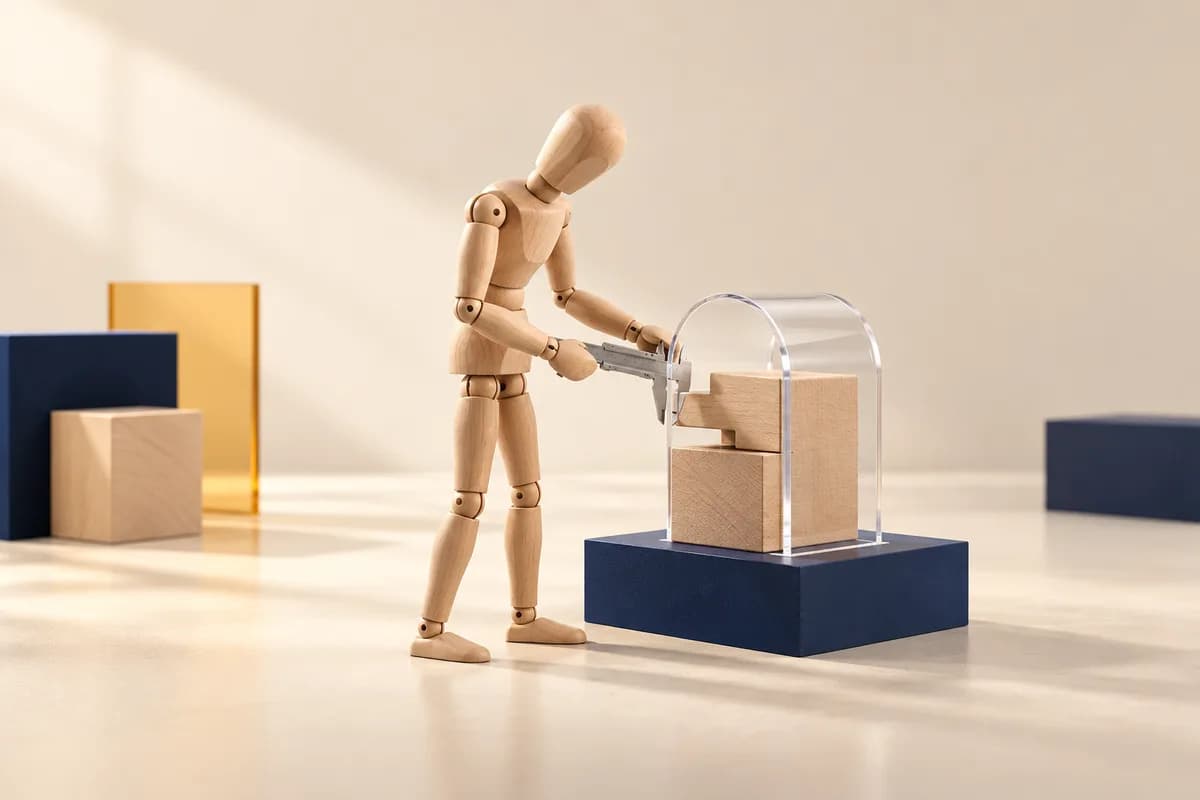
    The mannequin checks the joint between two modules with a calliper, beneath a transparent arch.

    Phase 06 · Testing and pre-launch security

    Check the system before putting it into use.

    We review behaviour, accessibility, performance, security, recovery and operational readiness according to the actual risks. These checks make both resolved issues and outstanding limits clear.

    Intended outcomeA release with identified and addressed risks.
  7. View phase
    The mannequin places the final piece of a bridge towards an open horizon.

    Phase 07 · Launch and evolution

    Launch, observe and decide on the next improvement.

    We publish or activate with control, review usage and maintain the solution. Evidence guides adjustments and the next decision, without letting complexity accumulate by default.

    Intended outcomeA foundation that can evolve with sound judgement.

Learn as we build

Every delivery opens up a better decision.

We apply Lean Startup thinking: turn assumptions into something testable before committing to the next investment.

A first version, an integration or a focused improvement lets us observe the solution in context. What we learn helps us adjust priorities, scope and next steps.

Frequently asked questions

Before deciding on the next step.

How do I know which service I need?

Start by describing the situation: a website that needs improving, a SaaS you want to launch, repetitive tasks or a system that fails. Discovery helps identify the service and scope that fit. Growth and Engine organise Calicata's capabilities.

Can we start before I have defined the solution?

Yes. Discovery is there to clarify the problem, constraints and next step before deciding what should be built.

Do you work on existing systems or only build from scratch?

The process can start with an existing system. We first review what works, what limits progress and which intervention makes sense before proposing changes.

Why do some solutions use Rust and others use a standard web stack?

The technology is chosen according to the problem, its risks and context. We do not start with a predetermined tool or add complexity without a clear purpose.

Does the process also apply to automation, infrastructure and internal software?

Yes. The seven phases help us decide, build and validate solutions ranging from a website to automation, infrastructure or software for internal teams.

What happens after launch?

We agree how to monitor usage, handle maintenance and prioritise improvements. The proposal sets out the support you need after launch and each party's responsibilities.

A shared direction

One business objective. A connected system.

We connect strategy, brand, architecture, integrations and technology around a business objective.